This photo of a mature couple features a long beard and an Edwardian styled dress. This dates the photo to after 1904. The lady’s hair is also more softly styled, an influence of the Gibson Girl style so popular around the turn of the century.
The photographer was probably G. C. Bauman in Burlington, IA. He was active beginning in the 1890s and has been documented as late as 1907. Bauman was also known to have photographed early Burlington, an area that has been registered with the National Registry of Historic Places. For a historical society, photographs of the early town must be a treasure! One wonders if the couple pictured above were important in the early town history, or simple residents. I think I’m going to contact the historical society and have a little chat.
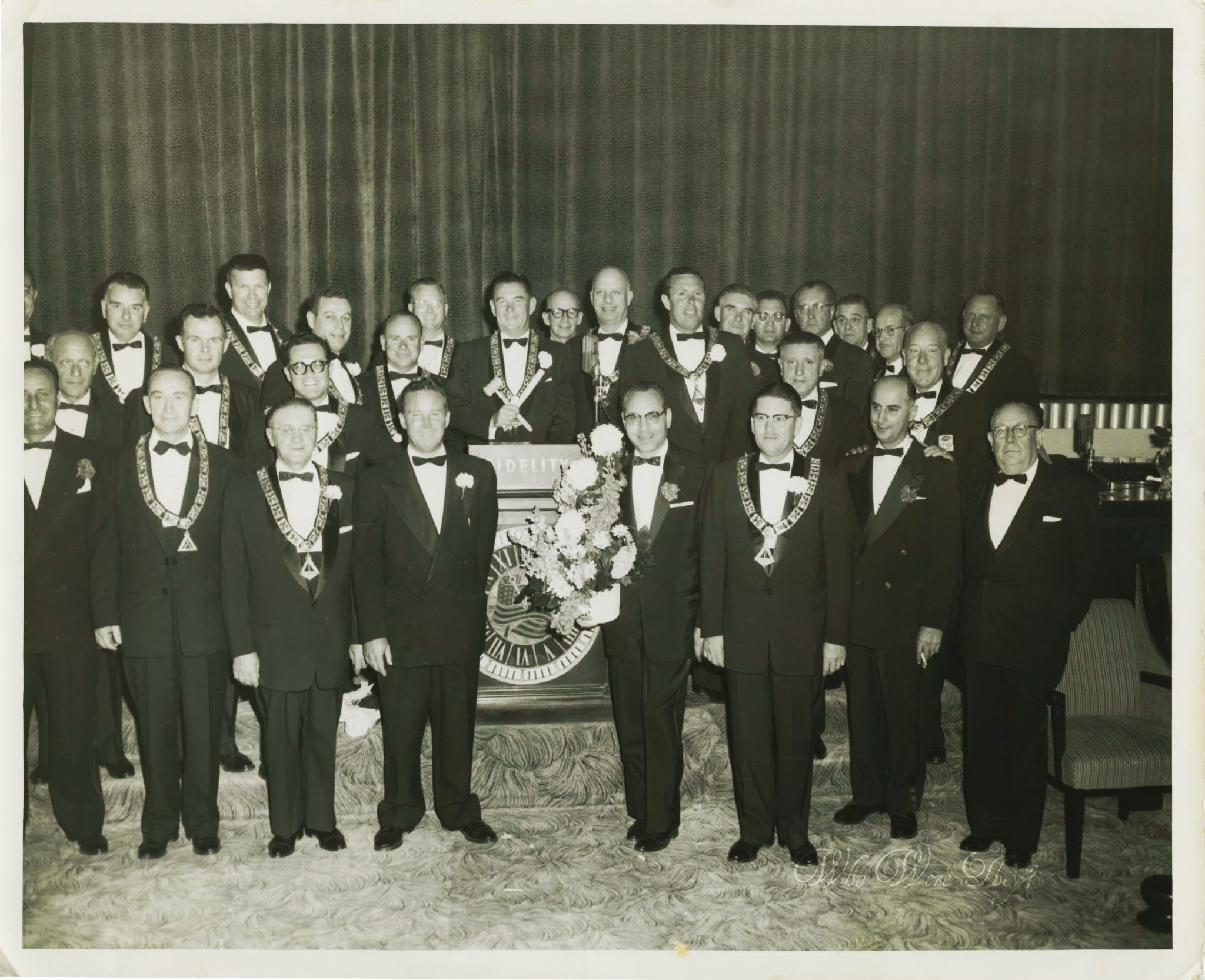
I really fell in love with this photo when I first saw it. This is an 8×10 black & white glossy photograph of about 30 men in tuxedoes and Masonic regalia. Having no knowledge of the Masons except that it is an ancient order, at first I wasn’t sure it was indeed a photo of Masons. But, looking around right quick, I found this wonderful image which confirmed the type of regalia these men are wearing is in fact Masonic.
Harry S. Truman, Grand Master 1940-41, Image courtesy of U. S. National Archives & Records Administration
This is former President of the United States Harry Truman. The necklace he is wearing (if in fact it is called a necklace) is very similar to the ones in the upper image. In the 8×10 above, you can see that some of the medals displayed are in a simple triangle shape, and others are in a shape that I am calling a wonky diamond – it’s the shape created from a compass on top and a square rule on the bottom.
Basic Masonic “wonky diamond”
There is so much to know about this organization. Entire textbooks have been written just about their history. They date back many hundreds of years and claim many famous and influential people as members. Indeed, members often are found in the ruling offices of nearly every country, parliaments, senates and congresses, colleges and universities. They are sports stars, explorers and adventurers, musicians and actors. While some people keep their membership secret, others are loud and proud of being a Mason. There are so many going back through the centuries that Wikipedia has quite helpfully provided a list, in alphabetical order. :-)
For other people, adorned in medals, jewelry and other types of accoutrement, click over to Sepia Saturday. You will be happy you did!
There isn’t much needed to be said about this photo. It’s beautiful, serene, artistic, natural, and beautifully composed.
I have decided to submit this as a Sepia Saturday post, because this week’s prompt shows a girl rowing by herself. I think this image, with some color correction, would be a perfectly beautiful framed print. There is just something about it that captures my attention and takes me right to the shore of the pond.
For more images of girls in boats on ponds and likely a whole load of other stuff, click over to Sepia Saturday. You will be happy you did!
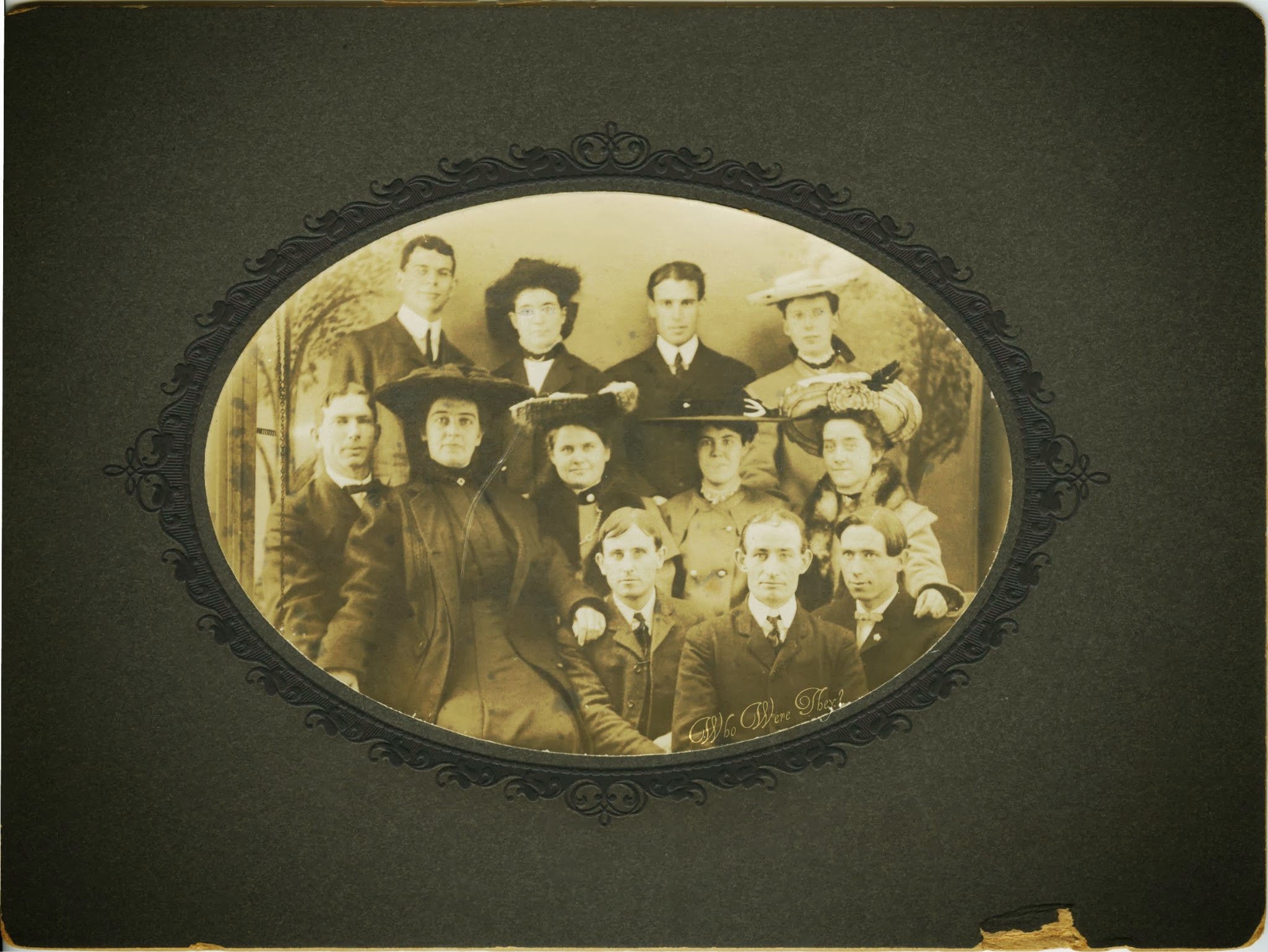
This post 1900 photograph features six men and six women. I gather this is either a large group of friends, brothers/sisters and spouses, or some other family grouping, such as cousins. It looks as thought the lady front-left is sitting on the man behind her, which seems really odd placement. Maybe this is a wedding party and she and the man she is sitting on are the bride and groom? Everyone has on their finery, hats, coats and furs.
No photographer information was found on the matte or back of the card.
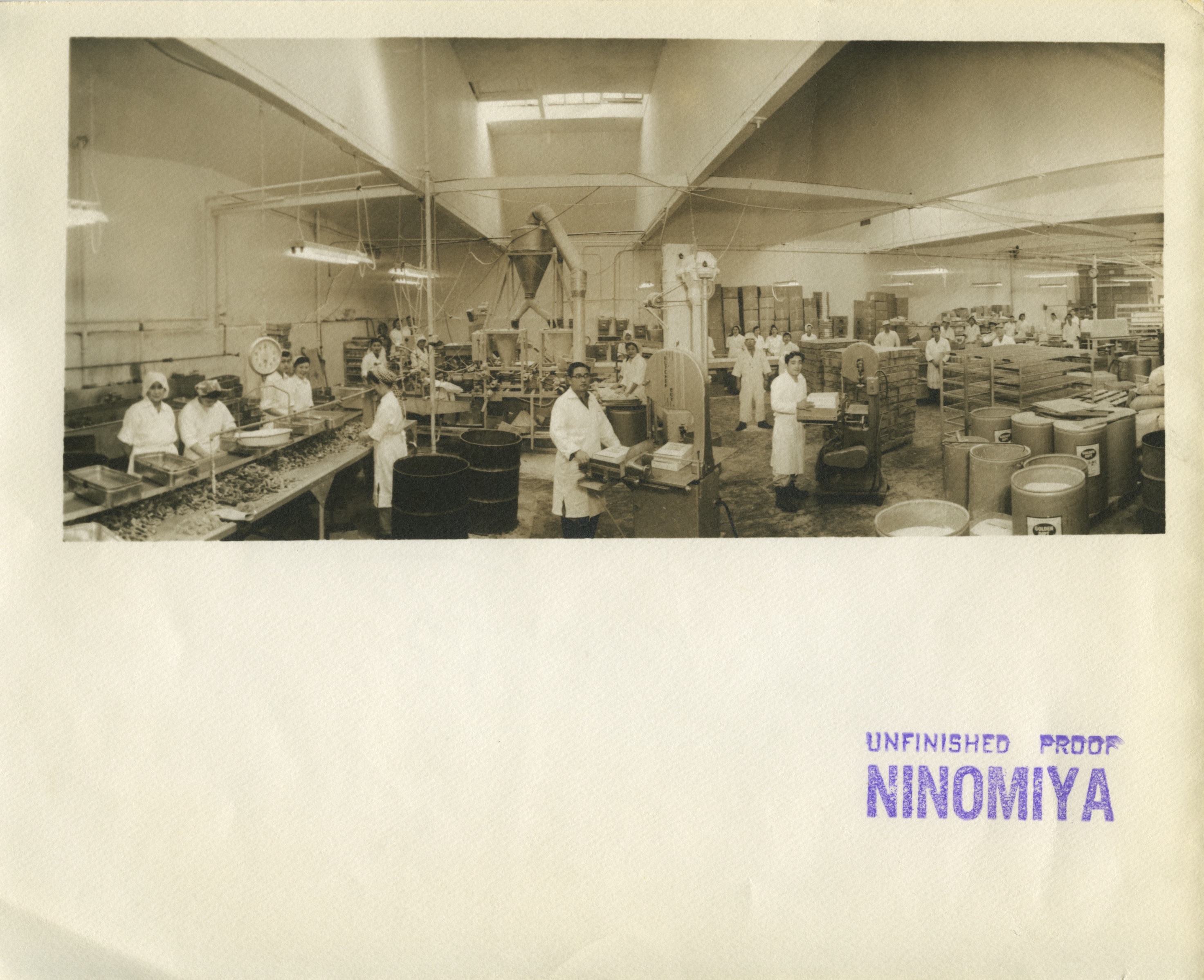
This week’s Sepia Saturday prompt (a railway kitchen) had me searching in the antique shop for interesting photographs, and while I did find some that would *probably* work, I settled on three photographic proofs of an industrial kitchen. Little did I know what an great historical touchpoint this would turn out to be.
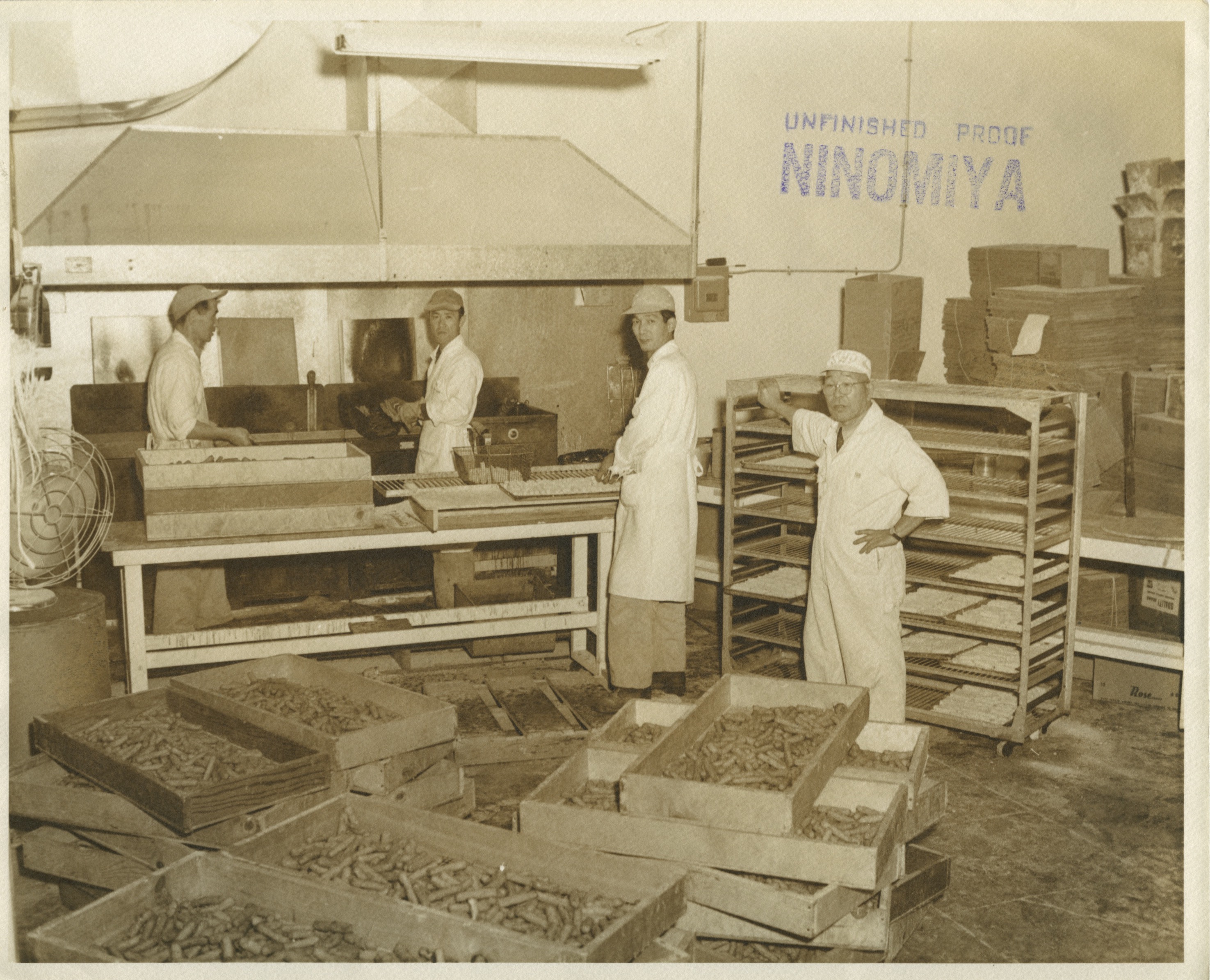
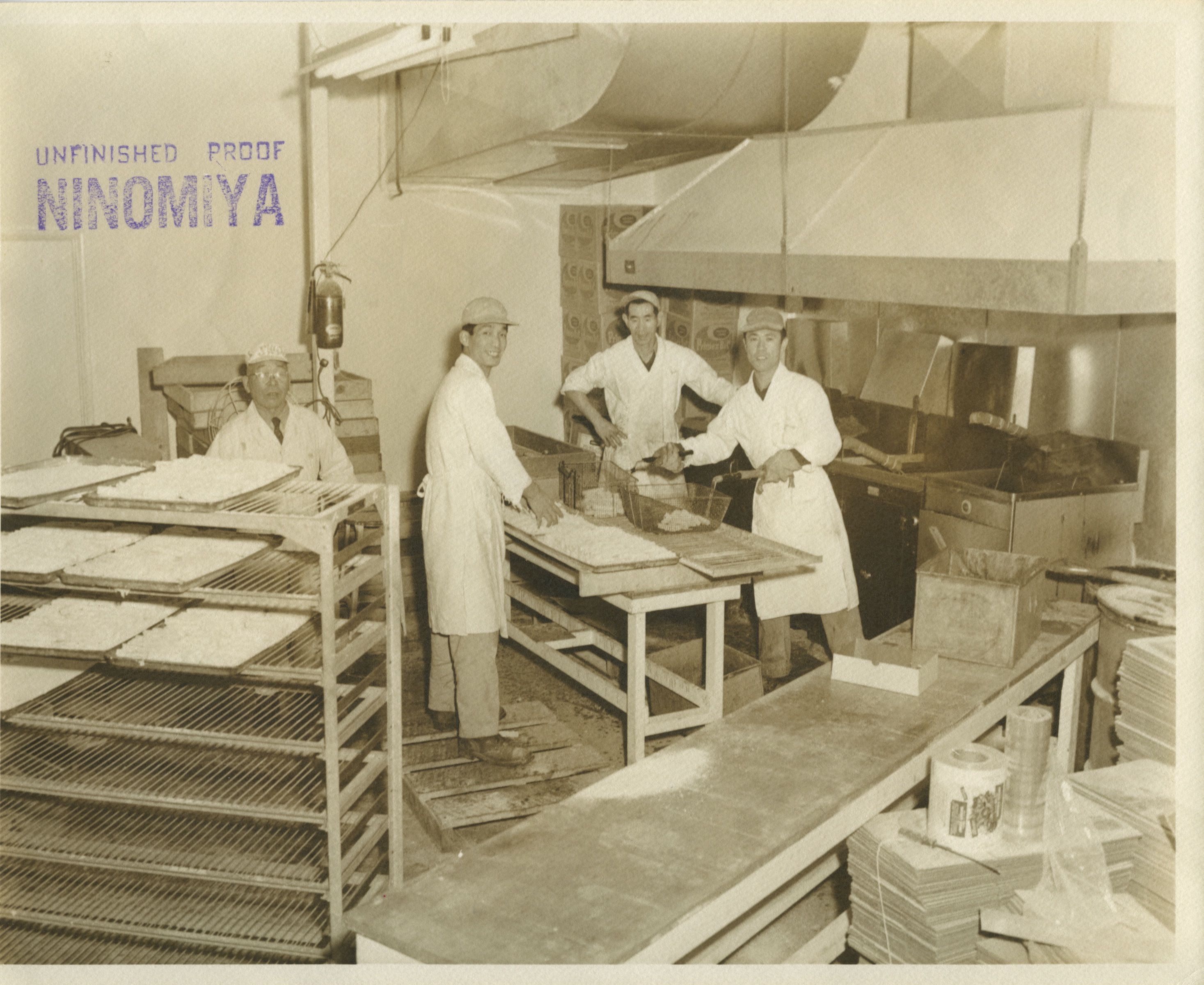
Upon first glance, the photos looked like a standard industrial kitchen – large work areas, people in white coats & hats, large cooking apparatus. Two major clues stood out right away. First, the stamp “Unfinished Proof Ninomiya” and on the back, writing in Japanese.
Shrimp kitchen
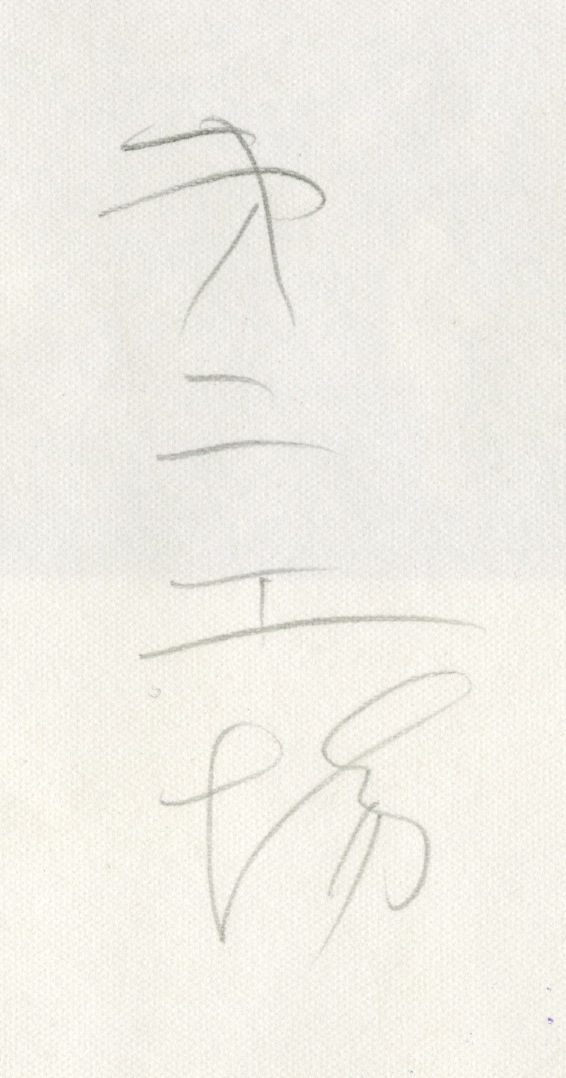
While I am guessing at the kanji at this point, all the photographs have the word “shrimp” written in English. This particular wide-angle image has and additional character. It could be kitchen, production, room, something else entirely. If you read Japanese, please feel free to comment with a translation.
UPDATE: from reader Mustang.Koji, the kanji say “Dai Ni Kou Jyou”, or “#2 Factory” (or plant).
Japanese kanji
The top three characters are written on each photograph. The bottom character only appears on this wide-angle one.
Next, I took a look online for the photographer. As it turns out, Ichiro Ninomiya was a prolific photographer in Los Angeles, CA, in the Little Tokyo area. Some time in 2010, a photographer in Los Angeles took possession of 15,000 or so negatives representing the majority of this photographer’s life’s catalog of work. The materials were to be thrown in the garbage. O.o. Ichiro Ninomiya was interred in a “relocation camp” in the US during World War II. This embarrassing bit of American history has long been swept to the side by people who would rather forget the enforced relocation of thousands of American citizens of Japanese origin. Ninomiya’s family was interred in Arizona. After the war ended, the family returned to the Little Tokyo area and Ninomiya took up his long and historic photography career. He was well known in the area, and photographed everyone from regular everyday people to the governor of Hawaii.
Fried shrimp
On the website Saving Ninomiya I discovered a few photographs of Ninomiya himself and his studio.
From Saving Ninomiya
Click on the photo or the link to take a nice long look at the website. The curator of the collection was scanning negatives, and it appears some of the collection has been housed at a local university. While it appears the site has been fallow for a little while, hopefully the Sepian interest will spur the curator to update us! There is also a Facebook page: Ichiro Ninomiya: Saving a Life’s Work. I know all of us Sepians can identify and connect with the intent of this project!
Another photo I found on the site was of the Rose Frozen Shrimp Inc. (Squeee!!) It could just be a coincidence, but I’m feeling pretty confident.
Shrimp steak
These workers in an industrial kitchen, identified as a “shrimp” kitchen, are working with deep fat friers. Also, in the panoramic photo above, you can see barrels of “Golden Dipt,” which was known as a premium batter. Golden Dipt was manufactured in Millstadt, IL from 1957 – 2010, although the brand dates back to 1938. The Millstadt location was known for making “Japanese breadcrumbs” for batter.
I have reached out to the curator of the Ninomiya collection, and also the the Little Tokyo Historical Society to find out of either group would like to take possession of these images. They probably date from the 1950s and show one tiny moment in the long and proud history of Japanese Americans in Los Angeles. I am delighted to have rescued these from the heap of photos at the antique shop, and also to have learned of such an interesting photographer & the resultant project.
UPDATE: The Little Tokyo Historical Society has responded and are deciding whether they will take ownership of the photos. Fingers crossed that they can find a home with other artifacts and objects similar to their history.
For more images of kitchens, railroads, and otherwise, click over to Sepia Saturday. You will be happy you did!







 Who Were They?