
This CdV from the late 1860s or early ’70s is of a woman I tend to think of as an old lady. She has the hard face of a woman who has lived a lot of years and the sad expression of a war widow, although I cannot confirm nor deny her marital state. The photo was identified on the back at some point, but someone glued it into one of those black paged photo albums and the black paper is stuck directly over the writing. Her name starts with an L, so how about we call her Widow Lane?
A tidbit about naming conventions for you. A young unmarried woman who is the oldest female child will be called Miss Smith, while her younger sisters will be called Mary and Jane. Should Miss Smith marry, she will then be called Mrs. Jones, while her sister next in line will then become Miss Smith and the next remains as Jane, etc. Boys were called by their first name until they were married, and then they were called Mister Jones. The title Master belonged to the boss of a business or eldest son of landed gentry. Since we did not recognize the gentry here, it is incorrect to call a boy Master Jones. When a woman was widowed, she was addressed as Widow Jones for the rest of her life, unless she remarried, and then she took the name of her new husband and was called Mrs. Davis. The term Ms is a twentieth century creation that did away with the complicated rules for addressing women who’s marital state was unknown.
Widow Lane’s dress is trimmed along the skirt hem, which I had read in the early 60s would have been considered extravagant, and so only those who could afford such luxuries would trim their skirt hems. Most women put a bit of trim on the bodice and sleeves of their dress. The trim could have been added toward the 70s as skirt trimming became more en vogue in that decade. But she does still have the bell shaped 60s skirt and drop-shouldered bodice. Also, her lace collar suggests some means, as does her lacy day cap, lace mitts on her hands and lacy shawl. Finally, she has a long chain with a watch attached, hanging from her neck down past her waist. All of her fashion screams 1860s. The props used are more common for the later part of the decade.

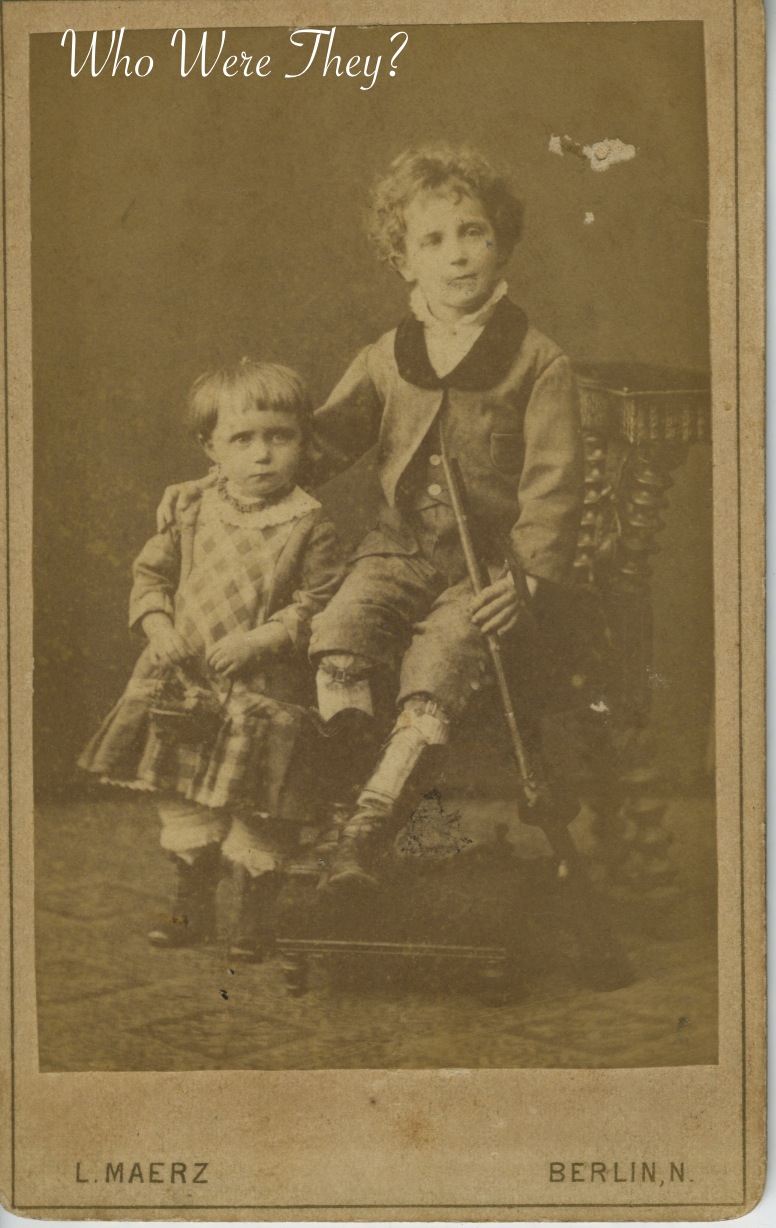










 Who Were They?