Who Were They?

Lost and forgotten photos from the past

Summer day

Summer day

On the rocks, please

On the rocks, please

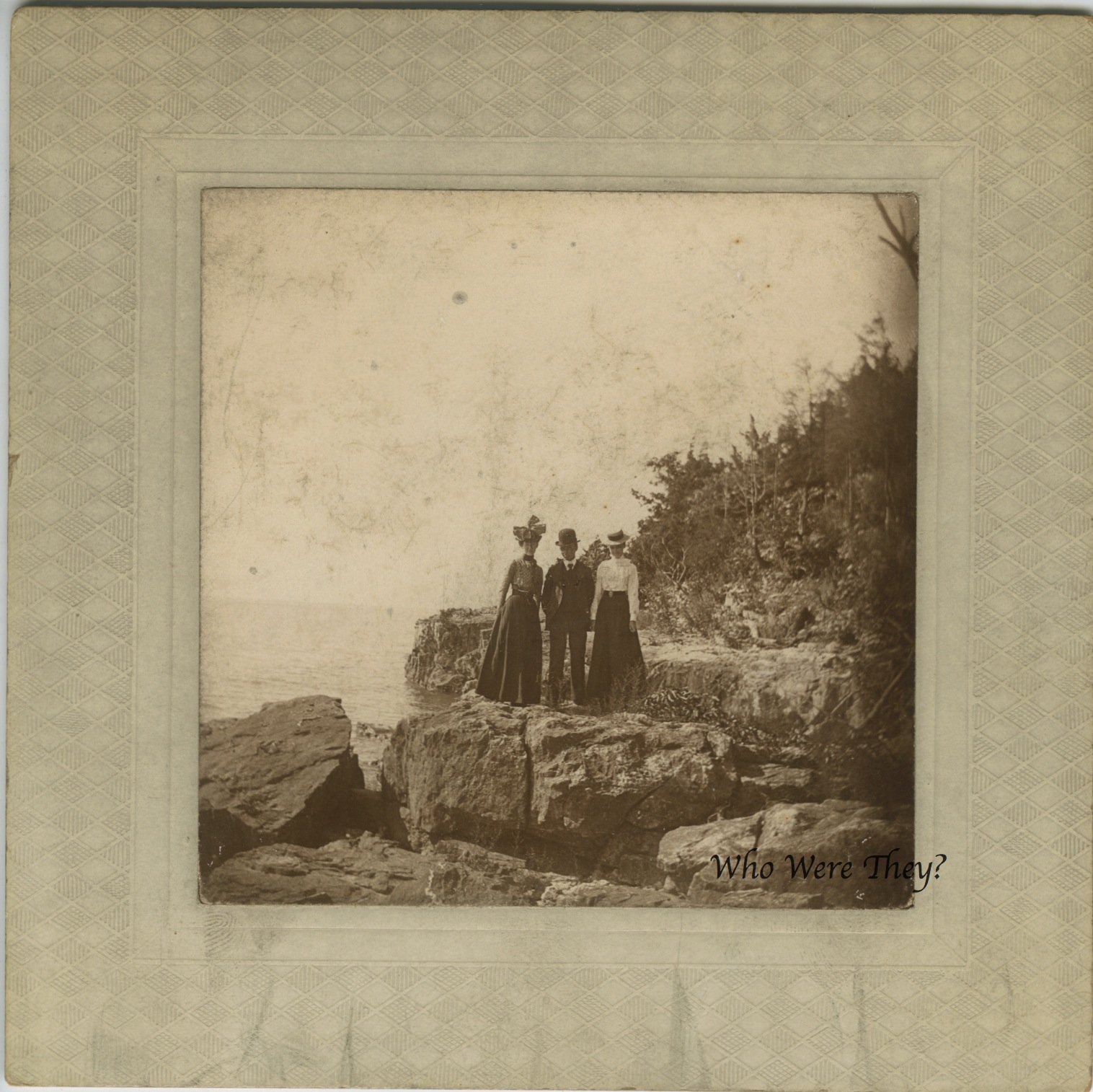
For this week’s Sepia Saturday prompt we have big hats and a picnic on the lawn. I may have even used one of these photos in the past, but with over 600 posts on the blog now, I’m not inclined to dig back through to find out for certain. :-) These 20th century images were probably taken in the early 1900s or 1910s by an amateur photographer, probably a friend of the family or family member. I have about 20 or so photos that are the same format – square mounted photo on a square, embossed card. The embossing varies, but generally trends toward vines and flowers. None of the people are identified.

Recently in another group, we were discussing Pinterest and how often the original owner of an image loses track of where their stuff gets pinned. I have experienced this myself, and so am working to watermark all my images for my various sites (I have 4). Recently I have been trying out PhotoBulk for the Mac. This little app allows you to determine a preset location for your watermark, font, color, and even if you want to use a logo. Then, you drop how ever many photos you want onto the app, and it processes the watermark onto every image. In some instances this is problematic if you use the wrong color font, as in I recently put a black watermark onto a black background. Duh, that didn’t show up! It’s fast, too! In the length of time it took to write these sentences, PhotoBulk could process 20-30 images, maybe even more. I have played with using Picnic on Google+ and I like the results there because I can make an overlay that is relatively transparent, and so doesn’t take away from the image itself. But, that process is slow, with each image handled individually.

Of course, once you put something on the internet there’s nothing stopping people from taking it. The watermark is one step in the direction toward protecting your intellectual property, artwork, images you own, etc., as well as driving traffic back to your site. (I can’t deny I like it when I see I am getting traffic coming from Pinterest.) If you are reading this and thinking of Pinning something (I don’t mind, I have a Pin It button down there) please always try to cite the origin of the image. It’s the least amount of internet courtesy and it’s very nice. It’s like saying “hey, this site has a lot of really interesting stuff, check it out!” :-)

For more photos of hats, picnics, happy groups of people and probably some actual discussion thereof, click over to Sepia Saturday. You will be happy you did!
Hats off!

photo-64

Unidentified boy, unidentified photographer

photo-65

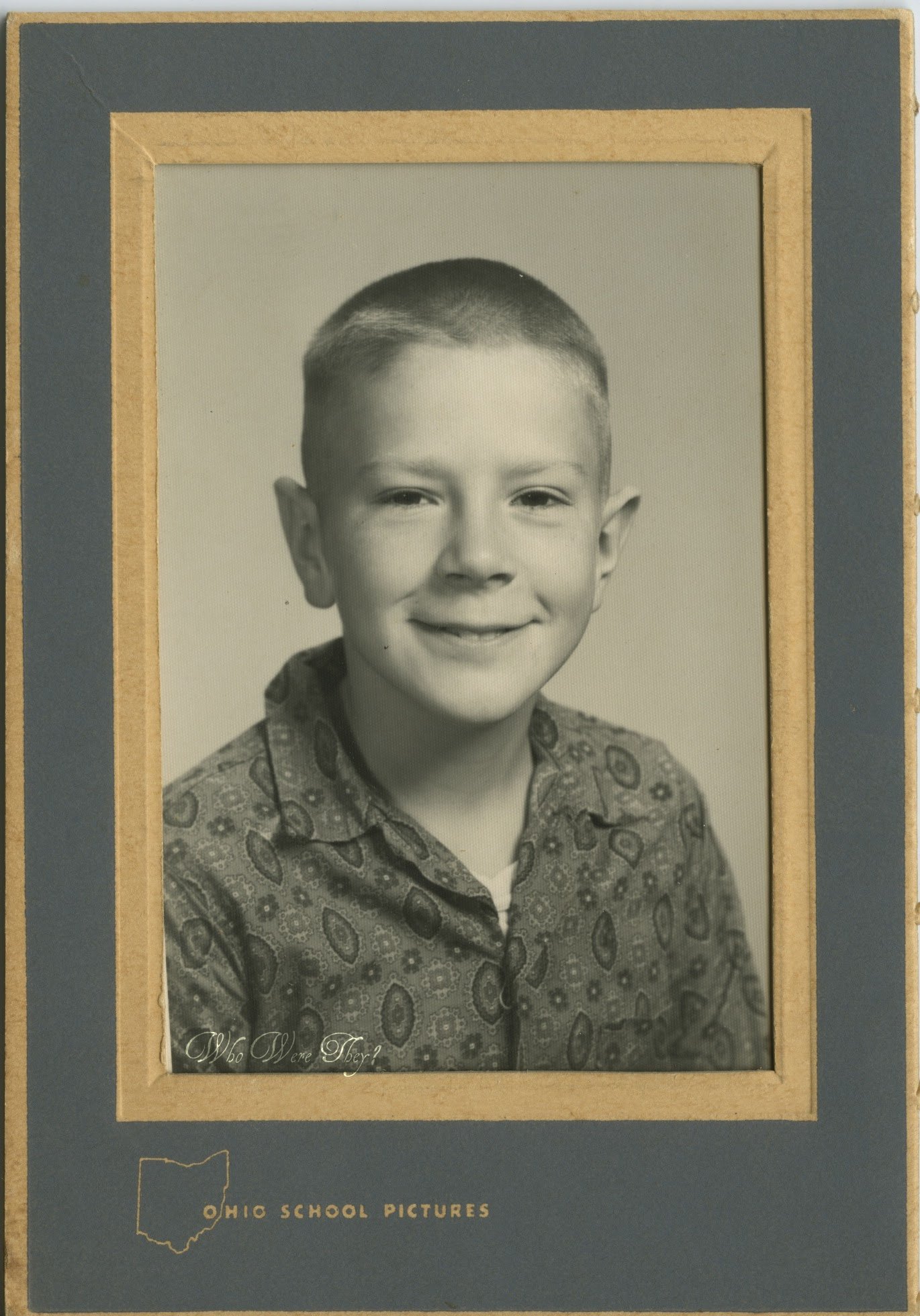
Unidentified boy, Ohio School Pictures


These two boys’ photographs were together in the same packages as many of the recent photos I have posted. They were not identified on the photos or photo jackets unfortunately. All I really know is they were in school in Ohio. They both have pointed chins and big ears. Maybe they were brothers?

The company Ohio School Pictures has a little bit of information online. They have been in business 60 years, putting these photographs into the 1950s. Also, they are located in northern Ohio and photograph over 600 schools.

This week, Sepians were asked to look for mechanical contraptions. I wasn’t able to get out to a shop, so I perused my photo collection for something that would fit. Just recently, I posted a Sepia Saturday post that would fit the current prompt perfectly. It had a clay processing station and two pony traps; but since I don’t really want to recycle a post like that, I’ve come up with a more modern amazing contraption.

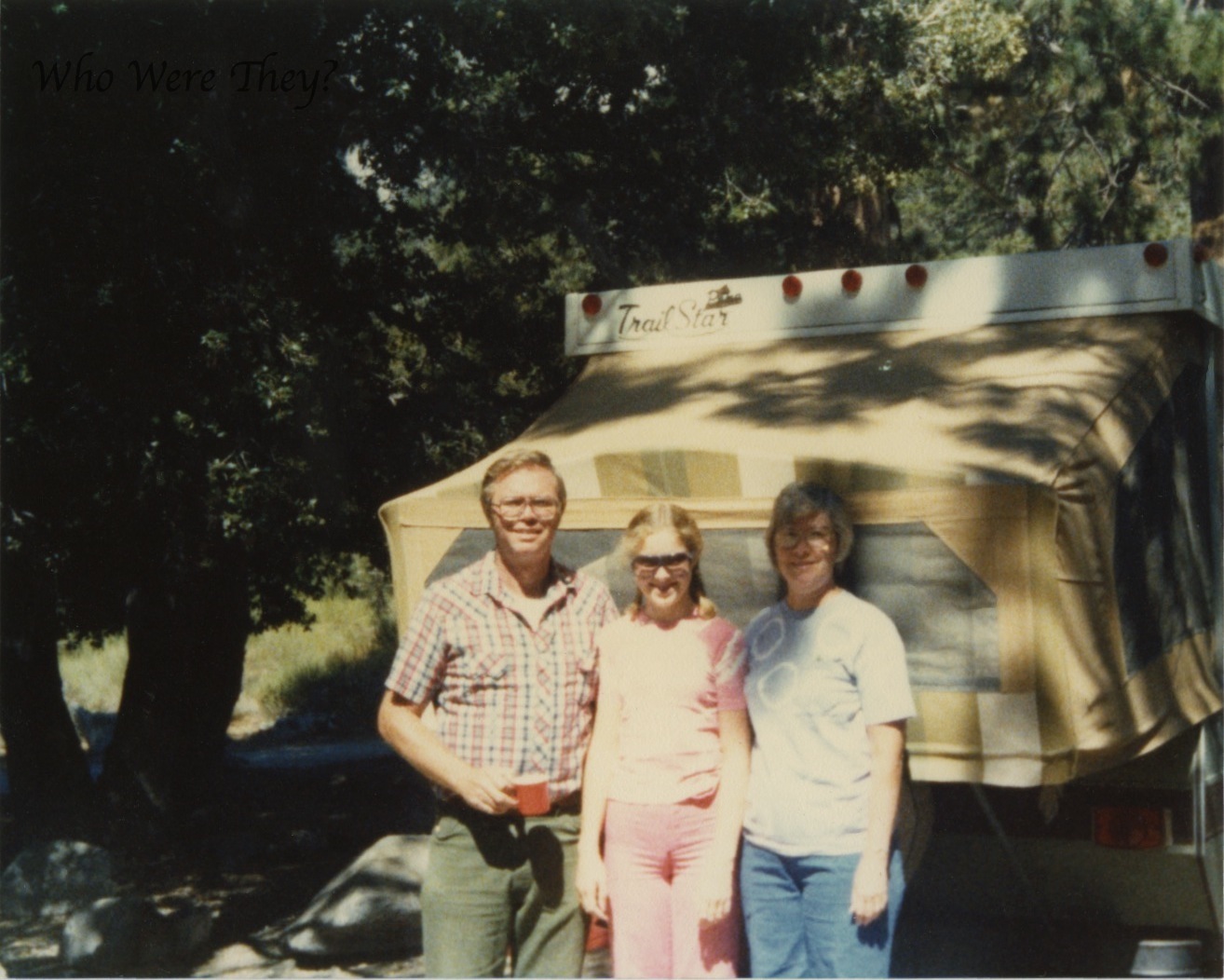
1971 Puma Tent Trailer

1971 Puma Tent Trailer – Vivitar 110 camera

Americans have long had a love affair with the “inexpensive” vacation, camping. The camping, fishing, hiking, and hunting industry has not only grown through the years but thrived with a wide variety of gizmos and gadgets to facilitate the perfect camping weekend. Up until recently, it wasn’t uncommon for families to own or rent tent trailers – a combination of a tent and a travel caravan that had the best of both worlds. This was our tent trailer and it saw thousands of miles of American roadways over its 20+ year lifespan. The tent trailer when closed looked like a oblong box on wheels, but when raised, the canvas sides would expand, the beds would be pushed out (the bit protruding behind the trio there), and it included a propane stove, water pump sink, and flushing portable toilet! This was the height of camping luxury in 1971 when it joined our family.

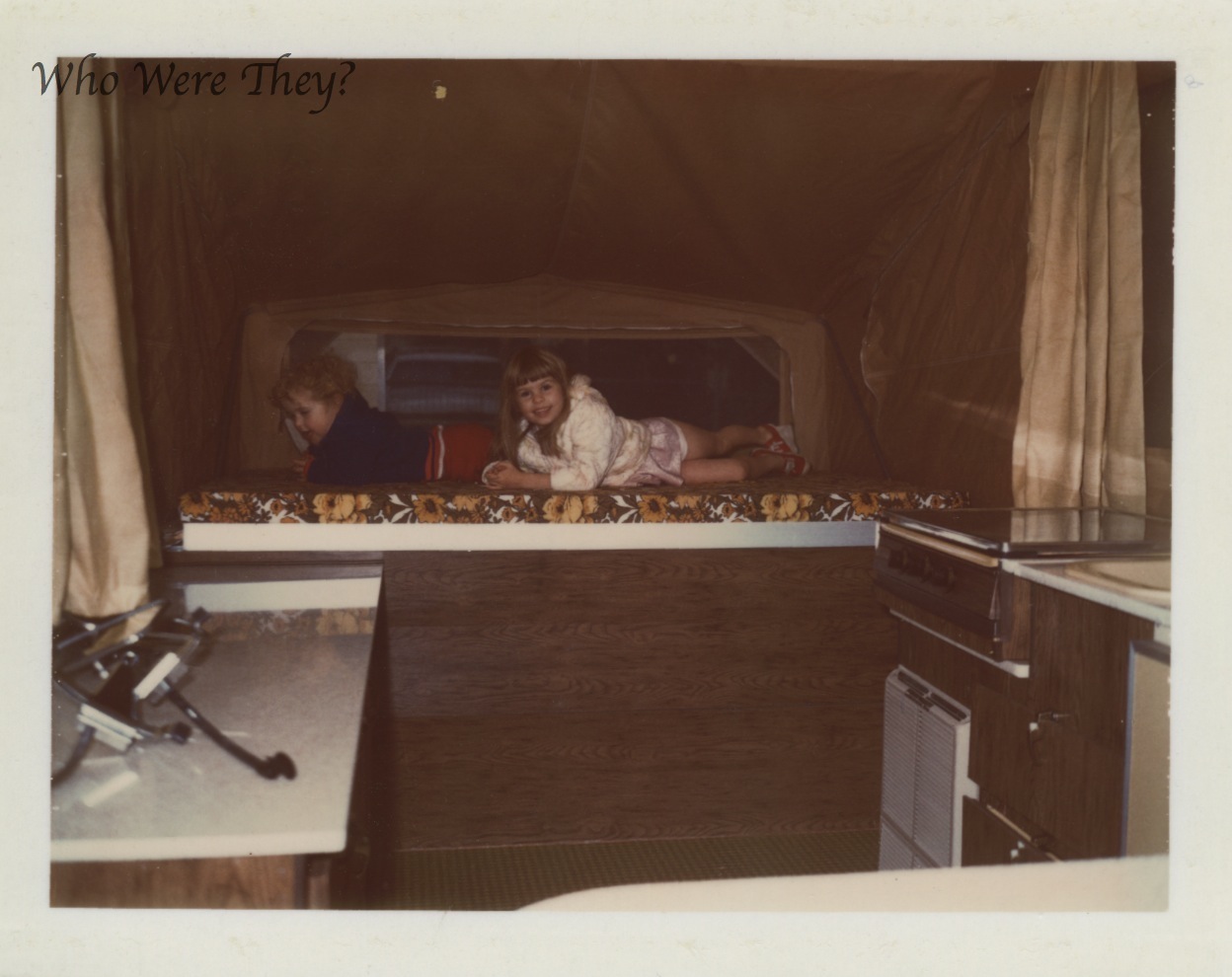
Jan 14, 1971 Inside of new Puma trailer bought Jan 13, 1971

Jan 14, 1971 Inside of new Puma trailer bought Jan 13, 1971 – Polaroid Print

camping 2

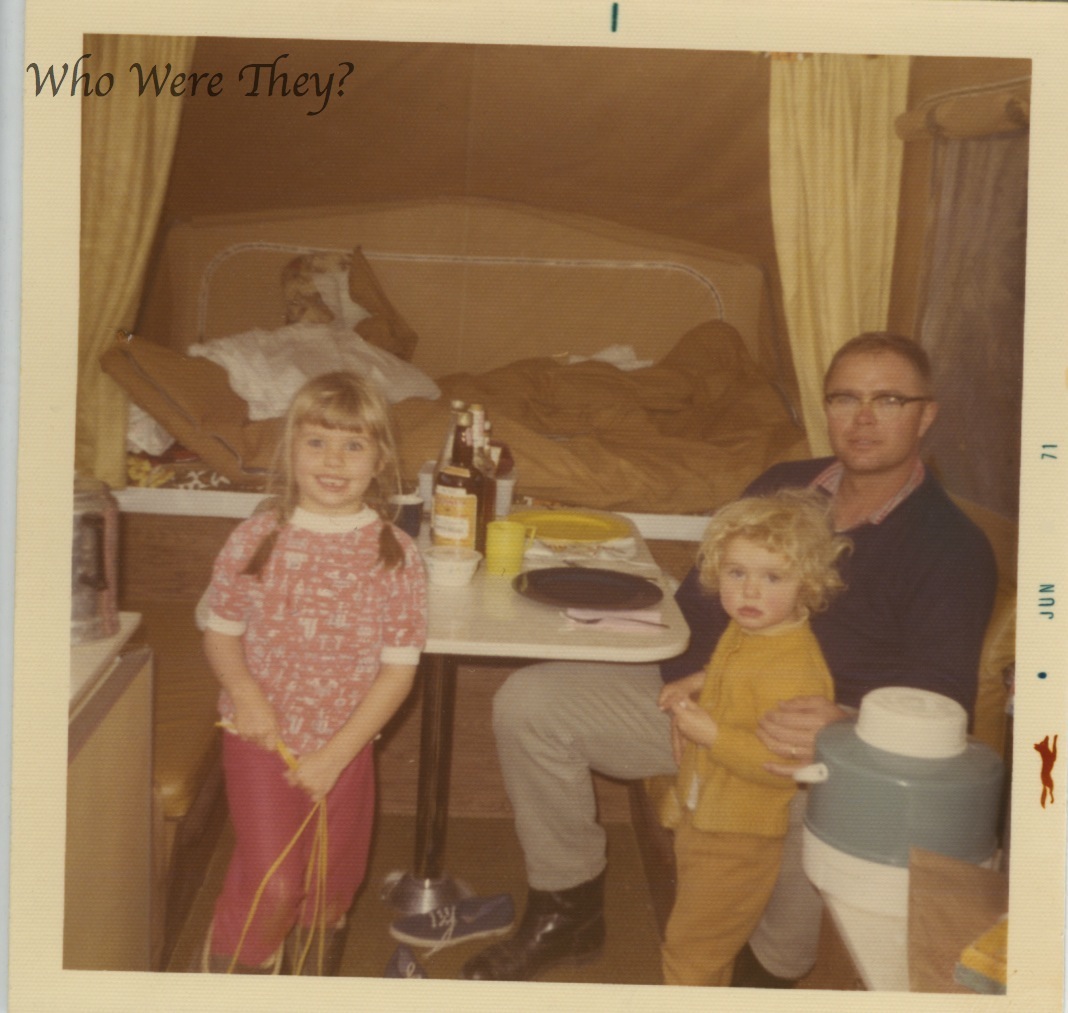
The dining area of our trailer – Kodak print

Each of the “bedrooms” had curtains that could be closed for privacy, as well as zippered windows to allow in fresh air. The plates you see on the table there we had until about 8 years ago when I gave the camping boxes to a friend. There were four plates, bowls, cups and saucers – red, green, yellow and blue. It got to the point that we each (i.e. my sister and I) had to have our “own” plate. We each had a drawer for our stuff and a space for our suitcase. The icebox took a huge block of ice, Dad had various barbecue implements to cook outside and Mom could whip up just about any sort of meal on the inside stove.

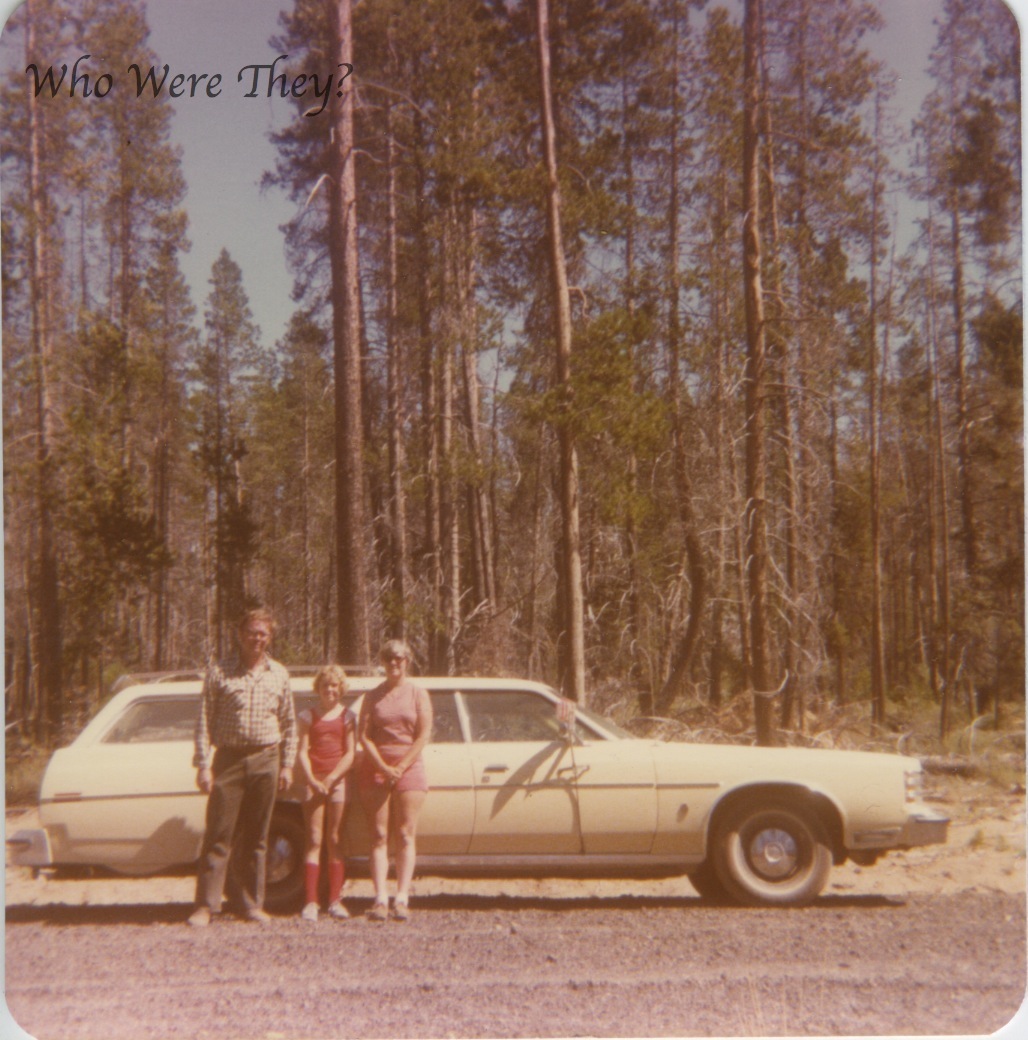
The lemon

The lemon- Little Deschutes River area, Oregon

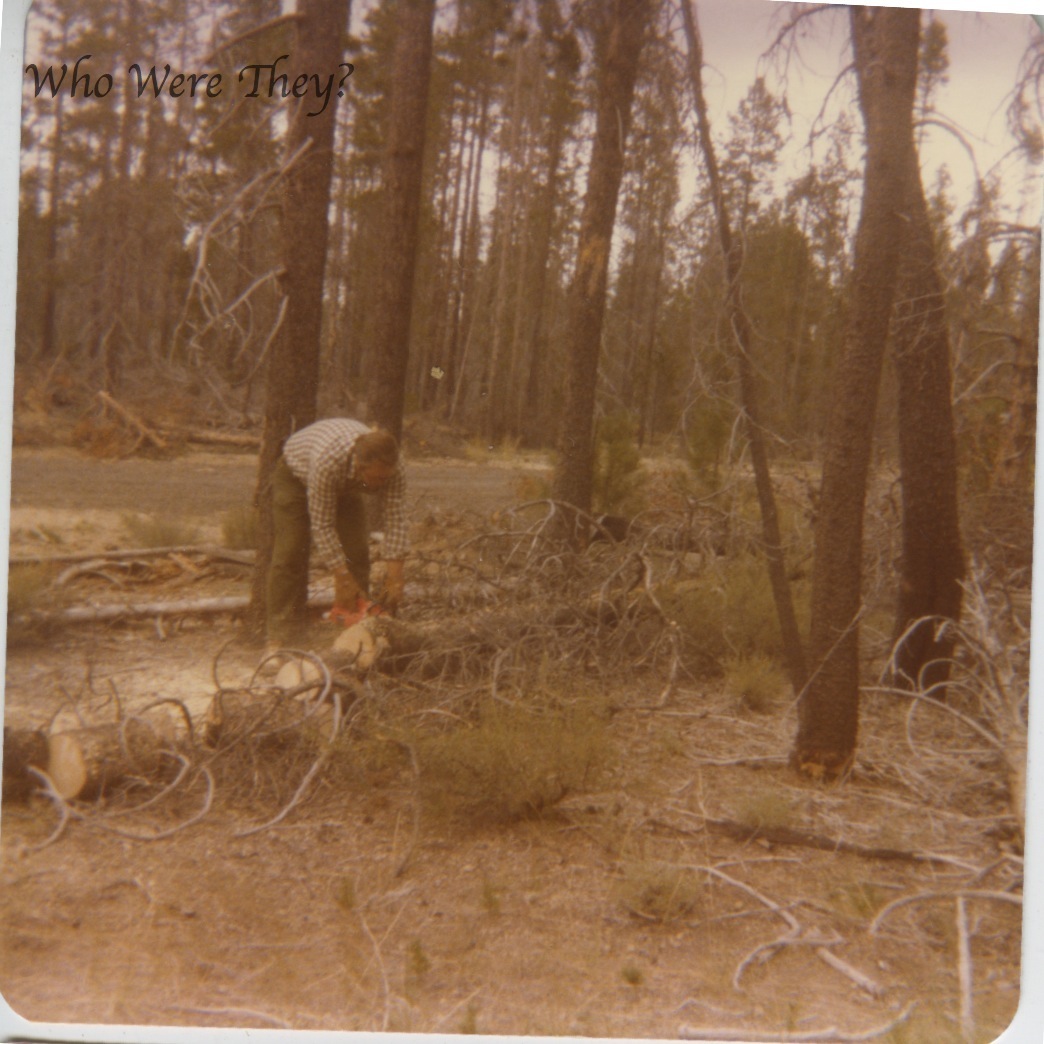
To pull the tent trailer, we originally had a blue Ford station wagon – the type with the faux wood siding. The above car was the second station wagon and my mother hated it. It was a lemon in more than color, but I remember this was ordered off the line, special to our needs. It had power locks! The station wagon, once delivered to our home, was then taken to a local mechanic where it was wired specially to feed power to the trailer so the breaks would work, and also the frame was reinforced for hauling. In the early days, the trailer was pulled out by my parents from its storage area beside the house and then hooked up to the car. Pretty fast my Dad bought a special two wheeled pulling device which was crank & chain driven, although I don’t recall exactly what it was called. This allowed him to more easily maneuver the trailer around the corner of the house and down to the car. Having a trailer inspired a variety of special equipment purchases, including a special sewing kit to repair torn canvas, special jacks, mirrors for the car, and tools to fix or repair whatever we could while on the road. Also, a chain saw.

camping

Cutting firewood, Oregon – Kodak print, Brownie camera?

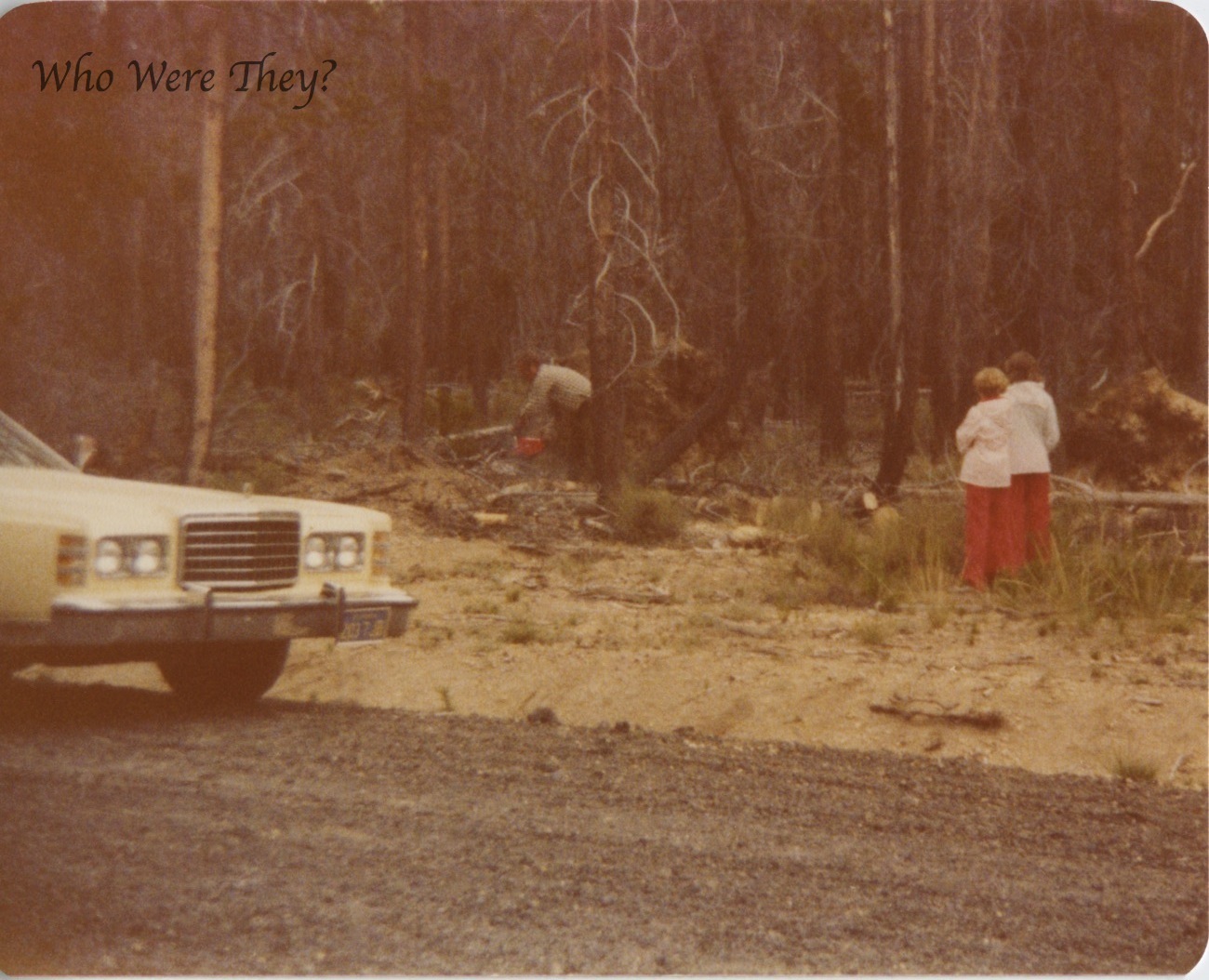
camping 3

Watching Dad cut firewood – Vivitar 110 shot of the same event


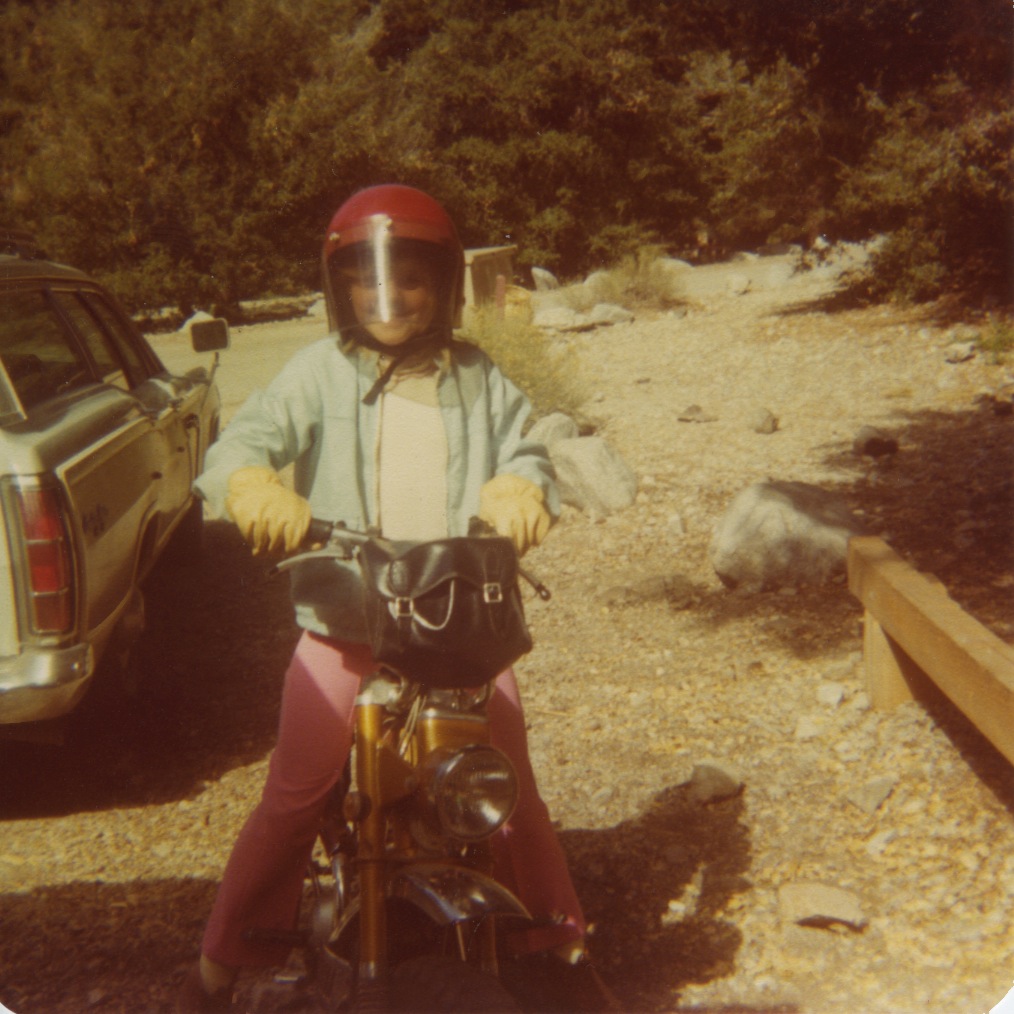
And a minibike. A Honda, as a matter of fact. My mother hated this one.

Hold on tight!

Hold on tight!

We bought the tent trailer when I was 3 years old, and my parents sold it when I was around 25 or so. After so many years, wood rot had taken hold and the sides of the trailer were just falling apart. They had replaced the uprights that raised and lowered the roof, and upon cranking it up, one of the uprights punched through the floor! It was sold to a scrap hauler who intended to strip it down to  the steel frame and repurpose it.

There is so much more I could say about this amazing contraption, our Puma tent trailer, but I will perhaps save that for another day. For more amazing contraptions, click over to Sepia Saturday. You will be happy you did!

And away we go!

photo-63


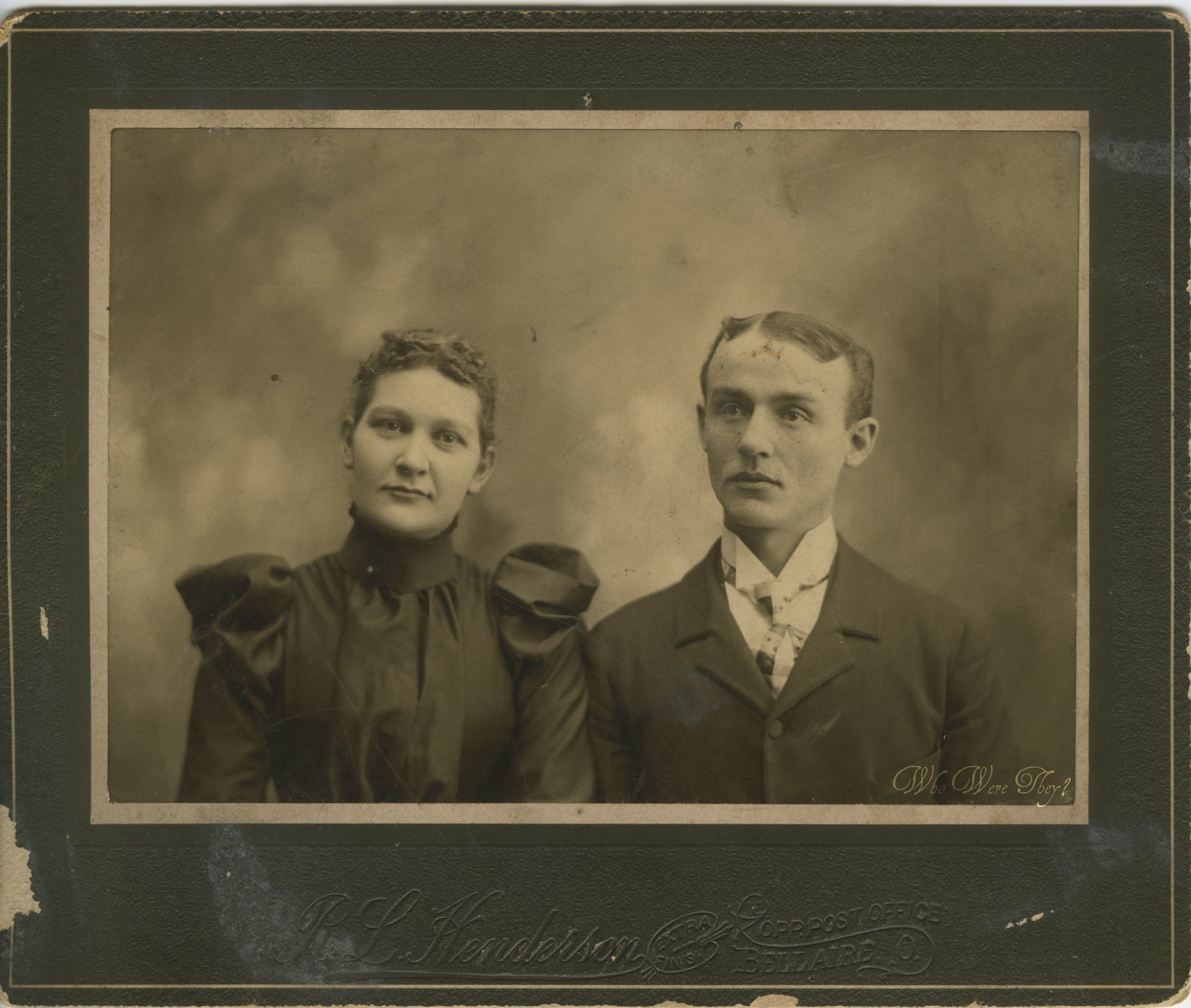
This unidentified couple from sat for Robert L. Henderson of Bellaire, OH. My mother tells me that the city is pronounced “Buh-lair” by locals.

I found a book entitled Centennial History of Belmont County, OH, published in 1901, which referenced Mr Henderson. He was born in Bellaire, in 1869 to father Robert and mother Hester. Robert Sr originally was from Richmond, VA, and was born in 1853. That made him 17 years of age when Robert Jr was born. First a saddler, he later joined the Baltimore & Ohio Railroad base in Bellaire, and lived there until  his death in 1895. His mother was living at the time of publication of the history, though no mention of her age was given. She originally lived in Wheeling, West Virginia, moved to Bellaire with her family – where her father ran a jewelry shop – and returned to Clarksburg, WV.

Robert the photographer was the oldest of five children in the family. As a youth he learned photography from his uncle, a Mr. Sellers, who later established a mobile photography studio. Robert stayed in Bellaire and opened his studio in 1896. He married Emma Coffman and they had two children, Paul and Mildred. The book also notes he was a Republican and a Christian. According to a West Virginia vital records search, they may have had an additional child named Charles.

Judging by the clothing worn by the subjects of the photo, this was made early in his career. The woman’s sleeves are consistent with something made in the 1890s-1900s. The photo mount is consistent with those used after 1900. She is looking directly into the camera, while he is looking off to the left of frame.

photo-62


I found this CdV in an antique shop recently, and it was labeled “Girl, circa 1890s.” Having a bit of experience with photos and clothing from the 19th century, I knew this to be incorrect. And so, I bought it. First, the silhouette of the dress is a very classic 1860s style – dropped shoulder seams and hooped skirt. Second, the photograph was placed in an album or frame (you can see the outline of the oval opening) and the card was cut on the corners to facilitate this. Unfortunately my scanner chopped off the left 1/8″ of the card so you can’t see it on that side. We know that square corners were in use on CdVs until about the 1870s. Finally, there is no photographer information on the back. I’d date this to 1865-1869.